Electrical Safety at Home: Essential Guidelines
Comprehensive guide to electrical safety protecting your family and property. Learn about RCD safety switches, smoke alarms, safe appliance usage, recognizing hazards, and when to call professional electricians for safety-critical electrical work.
Why Electrical Safety Matters
Electrical hazards cause serious injuries, fatalities, and property fires annually throughout Australia. Understanding electrical safety principles, maintaining electrical systems properly, and recognizing warning signs prevents tragedies. This guide from licensed electricians covers essential electrical safety for Central Coast residential properties.
We explain critical safety devices including RCD safety switches and smoke alarms, safe appliance and extension cord usage, recognizing electrical hazards, child electrical safety, outdoor electrical safety, and when professional electrical services are essential. Understanding and implementing these safety principles protects families from electrical injuries while preventing property damage from electrical fires.
- RCD safety switch protection
- Smoke alarm compliance
- Safe appliance usage
- Extension cord safety
- Recognizing electrical hazards
- Child safety measures
- Outdoor electrical safety
- Emergency response procedures
RCD Safety Switch Protection
What Are RCD Safety Switches
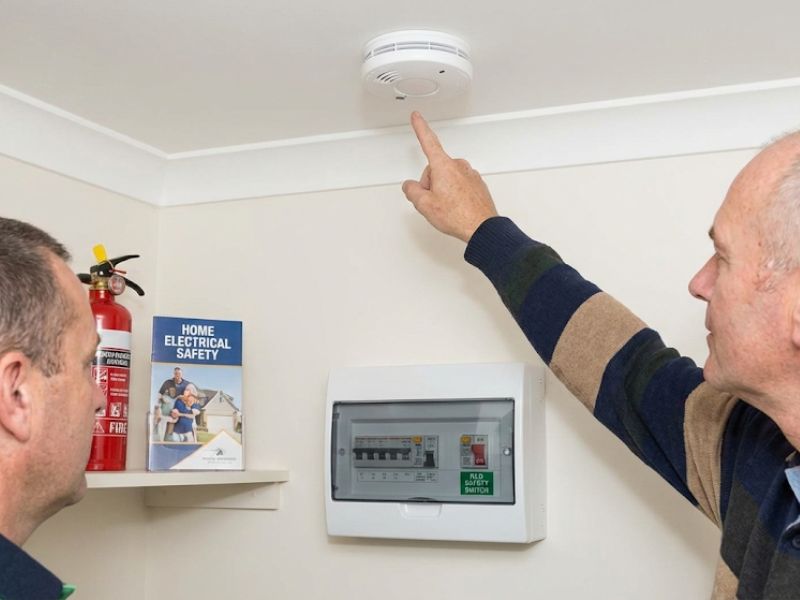
RCD (Residual Current Device) safety switches provide life-saving protection against electric shock. RCDs constantly monitor electrical current flow detecting tiny imbalances indicating electricity flowing where it shouldn't such as through a person. When detecting faults, RCDs cut power within 30 milliseconds preventing serious or fatal electric shocks. RCDs protect against electric shock from damaged appliances, deteriorating wiring, and accidental contact with live electrical. Modern electrical standards require RCD protection on all power point and lighting circuits.
Ensuring RCD Protection
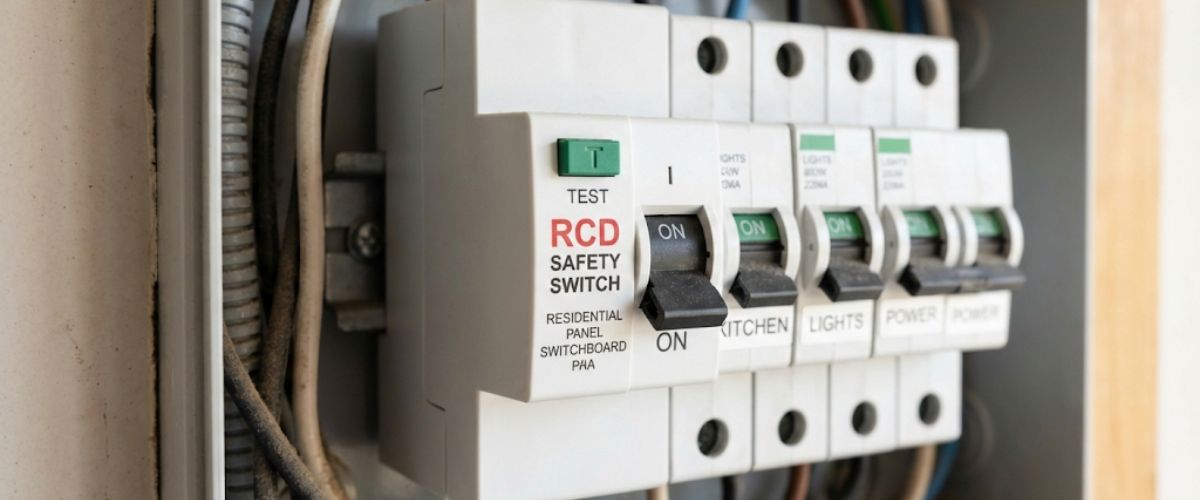
Verify your property has RCD protection by checking switchboards for RCD devices typically marked with "Test" buttons. Modern switchboards contain multiple RCDs protecting different circuits. Older properties often lack adequate RCD protection requiring urgent installation. Properties without RCD protection remain vulnerable to fatal electric shock. Licensed electricians install RCD safety switches providing essential protection. This represents one of the most important electrical safety upgrades for older properties.
Testing RCD Devices
RCD safety switches require regular testing ensuring proper operation when needed. Test RCDs quarterly by pressing "Test" buttons which should immediately trip the RCD cutting power to protected circuits. If RCDs don't trip when tested, they require immediate professional attention as protection has failed. Never bypass or disable RCDs as this eliminates critical safety protection. Regular testing maintains RCD reliability ensuring protection when electrical faults occur.
Smoke Alarm Safety
Importance of Working Smoke Alarms
Working smoke alarms provide early fire warning enabling escape before fires become unsurvivable. Smoke alarms reduce fire deaths by 50% when properly installed and maintained. Electrical fires often start in walls or ceiling spaces with smoke alarms providing first warning. All Australian states mandate smoke alarm installation with specific requirements for type, location, and interconnection. Professional smoke alarm installations ensure compliance providing maximum protection.
Smoke Alarm Testing and Maintenance
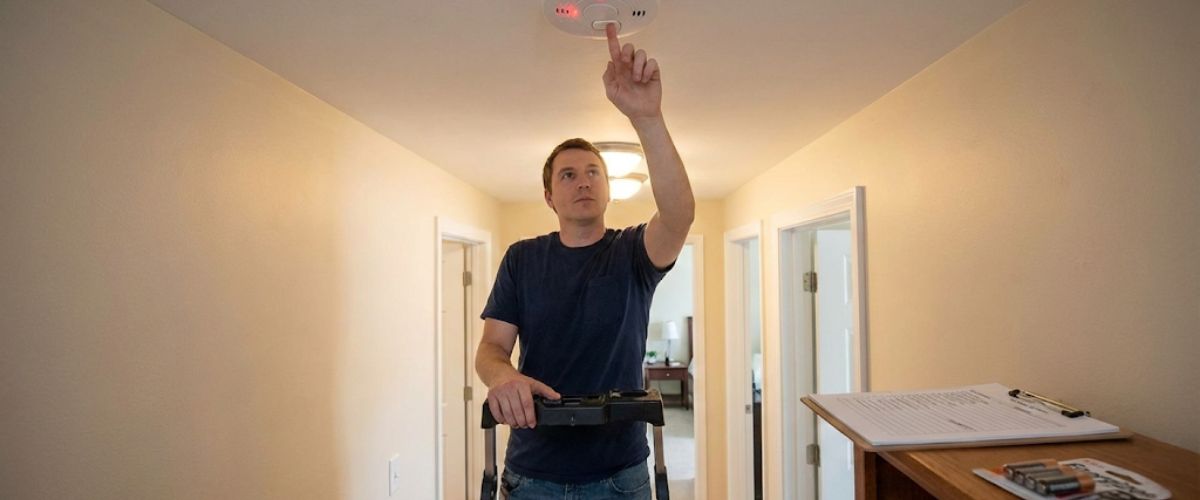
Test smoke alarms monthly pressing test buttons confirming alarm sounds. Replace batteries annually in battery-powered alarms even if still functioning. Replace entire smoke alarm units every 10 years as sensors deteriorate losing sensitivity. Clean smoke alarms regularly preventing dust accumulation affecting performance. Interconnected hardwired smoke alarms require professional electrician maintenance ensuring reliable operation. Never disable smoke alarms even temporarily as this creates extreme danger.
Smoke Alarm Compliance
Current regulations require photoelectric smoke alarms hardwired with battery backup, interconnected throughout properties, installed in bedrooms and hallways, and meeting Australian Standards. Compliance certificates are required for property sales and rentals. Professional installations ensure compliance avoiding legal issues while providing optimal protection. Non-compliant smoke alarms may not provide adequate warning during fires.
Safe Appliance Usage
Appliance Electrical Safety
Electrical appliances cause numerous electrical injuries and fires through improper use or faults. Use appliances only as intended following manufacturer instructions, inspect power cords for damage before each use, never use damaged appliances, keep appliances away from water, unplug small appliances when not in use, and service or replace malfunctioning appliances promptly. Damaged appliances present serious electrical hazards requiring immediate professional assessment or replacement.
Bathroom and Wet Area Safety
Water and electricity combination creates extreme danger. Never use electrical appliances near bathtubs or showers, ensure appliances have appropriate water ingress protection ratings, install proper bathroom electrical with appropriate protection, keep electrical items away from sinks and wet areas, and never touch electrical with wet hands. Bathroom electrocution remains a significant hazard particularly in older properties lacking modern safety protection. Professional bathroom electrical installations ensure appropriate safety measures.
High-Power Appliance Considerations
High-power appliances like air conditioners, electric ovens, and hot water systems require appropriate dedicated circuits. Never overload circuits with multiple high-power devices, ensure appliances have adequate circuit capacity, use dedicated circuits for permanently installed appliances, and engage electricians for high-power appliance installations. Circuit overloading causes overheating potentially resulting in electrical fires.
Extension Cord and Power Board Safety
Safe Extension Cord Usage
Extension cords provide temporary electrical access but create hazards when misused. Use extension cords temporarily only, not as permanent solutions, select cords rated for connected load, fully unwind cord reels preventing overheating, inspect cords before use for damage, never run cords under carpets or through doorways, and avoid daisy-chaining multiple cords. Permanent electrical access requires professional power point installation eliminating extension cord reliance and associated hazards.
Power Board Safety
Power boards enable multiple devices from single outlets but must be used safely. Don't overload power boards exceeding rated capacity, avoid piggyback connections stacking multiple boards, position away from curtains and flammable materials, replace damaged power boards immediately, and consider individual switches enabling device control. Overloaded power boards overheat causing fires. Calculate total connected load ensuring it doesn't exceed power board rating typically 10 amps or 2400 watts.
Permanent Electrical Solutions
Extension cord and power board reliance indicates insufficient power point provision. Professional additional power point installation provides safe permanent electrical access. Electricians assess circuit capacity ensuring adequate power, install additional circuits when required, position power points conveniently eliminating extension cord needs, and provide compliant safe installations. Permanent electrical solutions eliminate extension cord hazards while improving convenience and safety.
Recognizing Electrical Hazards
Visual Warning Signs
Electrical hazards often provide visual warnings before serious problems develop. Discoloured or warm switches and outlets, scorch marks around electrical, sparking when inserting plugs, flickering lights, damaged or frayed wiring, exposed electrical, and burning smells all indicate serious electrical problems requiring immediate professional attention. Never ignore electrical warning signs as conditions typically worsen creating increasing danger.
Electrical Shocks and Tingling
Any electrical shock or tingling from appliances or fixtures indicates serious electrical faults. Even minor shocks signal potentially lethal problems requiring urgent electrician attention. Electrical shocks indicate damaged insulation, faulty appliances, inadequate earthing, or moisture exposure. Stop using affected appliances or fixtures immediately and call licensed electricians for comprehensive fault finding and repairs.
Circuit Breaker Tripping
Frequent circuit breaker tripping indicates electrical problems requiring investigation. While occasional tripping from overloading is normal, repeated tripping signals circuit overloading, short circuits, ground faults, or failing breakers. Never repeatedly reset tripping breakers without identifying causes as this bypasses critical safety protection. Professional electricians diagnose tripping causes providing appropriate solutions from circuit redistribution to electrical system upgrades.
Child Electrical Safety
Protecting Children from Electrical Hazards
Young children face particular electrical risks through curiosity and inability to recognize dangers. Install safety plugs in unused power points preventing foreign object insertion, position cords out of reach preventing pulling, secure power boards preventing access, educate children about electrical dangers age-appropriately, and maintain vigilant supervision around electrical. Child electrical injuries often result from curiosity about power points and accessible cords.
Tamper-Resistant Power Points
Modern power points include built-in shutters preventing foreign object insertion. Tamper-resistant outlets provide superior protection compared to removable safety plugs which can be removed or lost. When upgrading electrical, specify tamper-resistant power points particularly in children's bedrooms and play areas. Professional installations ensure proper operation providing reliable child protection.
Appliance Cord Safety
Appliance cords present strangulation and pulling hazards for young children. Keep cords short eliminating excess length, position appliances preventing cord access, use cord management organizing loose cords, and unplug small appliances storing safely when not in use. Children pulling appliance cords can cause serious injuries from falling appliances or electrical contact.
Outdoor Electrical Safety
Outdoor Power Point Safety
Outdoor electrical presents unique hazards from weather exposure. Use only weatherproof outdoor power points with appropriate IP ratings, ensure RCD protection on outdoor circuits, avoid using indoor electrical equipment outdoors, disconnect outdoor electrical during storms, and maintain outdoor electrical properly. Professional outdoor electrical installations use appropriate weatherproof components ensuring safe operation despite environmental exposure.
Garden and Pool Electrical Safety
Gardens and pools require particular electrical safety attention. Maintain safe distances between electrical and water, use appropriate outdoor-rated equipment, ensure pool electrical meets strict safety standards, install ground fault protection on all outdoor circuits, and engage licensed electricians for all outdoor electrical work. Specialized electricians ensure pool electrical compliance preventing electrocution hazards.
Christmas Light Safety
Christmas lights create seasonal electrical hazards. Inspect lights before installation checking for damage, use outdoor-rated lights for external displays, avoid overloading circuits, turn off lights when unattended, and use timers for automatic control. Damaged Christmas lights and circuit overloading cause numerous electrical fires during holidays. LED Christmas lights substantially reduce fire risk through lower power consumption and reduced heat generation.
DIY Electrical Work Dangers
Why DIY Electrical Is Illegal and Dangerous
Australian law prohibits unlicensed electrical work for compelling safety reasons. Electrical work requires specialized knowledge, training, and experience that DIY attempts lack. DIY electrical creates serious injury and death risks, causes electrical fires, invalidates home insurance, violates building regulations, and creates expensive remedial work requirements. Attempting electrical work without proper licensing demonstrates ignorance of associated dangers potentially costing lives and property.
When to Call Professional Electricians
All electrical installation, modification, and repair work requires licensed electricians. Simple tasks like changing light bulbs are permitted but any wiring work requires professional service. Call electricians for power point installation, light fitting installation, switchboard work, circuit modifications, fault diagnosis and repair, electrical safety inspections, and all electrical upgrades. Professional electrical work ensures safety while providing insurance validity and regulatory compliance.
Emergency Electrical Situations
Some electrical problems require immediate emergency electrician response including sparking electrical, burning smells, electrical shocks, exposed live wiring, storm damage to electrical, and major electrical failures. Emergency electricians respond 24/7 addressing safety-critical electrical problems rapidly. Don't delay calling emergency electricians for serious electrical hazards potentially threatening lives and property.
Regular Electrical Maintenance
Periodic Safety Inspections
Regular electrical safety inspections identify deteriorating systems before failures or hazards develop. Comprehensive inspections examine switchboards, wiring, fixtures, earthing, smoke alarms, and overall electrical condition providing detailed reports. Recommended inspection frequency is every 5-10 years for owner-occupied properties and more frequently for rental properties. Professional inspections identify problems enabling proactive repairs maintaining electrical safety.
Upgrading Old Electrical Systems
Older electrical systems lack modern safety features and adequate capacity. Properties with ceramic fuse boxes, inadequate RCD protection, old deteriorating wiring, or insufficient circuits require electrical upgrades. House rewiring and switchboard upgrades dramatically improve electrical safety while supporting modern electrical demands. While representing significant investment, electrical upgrades provide essential safety improvements protecting families and properties.
Preventative Maintenance Benefits
Regular electrical maintenance prevents problems through early detection. Maintenance identifies loose connections before arcing and fires develop, replaces deteriorating components before failures, updates outdated installations, maintains safety device operation, and ensures ongoing electrical reliability. Preventative maintenance costs substantially less than emergency repairs following electrical failures while maintaining continuous electrical safety.
Electrical Fire Prevention
Common Electrical Fire Causes
Electrical fires result from various causes. Circuit overloading, deteriorating wiring, loose connections creating arcing, faulty appliances, improper electrical installations, and extension cord misuse all cause electrical fires. Most electrical fires are preventable through proper electrical maintenance, professional installations, appropriate circuit loading, and prompt attention to electrical problems. Understanding fire causes enables implementation of preventative measures.
Fire Safety Equipment
Homes require appropriate fire safety equipment. Install working smoke alarms throughout properties providing early warning, maintain fire extinguishers for small fire suppression, develop and practice fire escape plans, and ensure everyone knows emergency procedures. Electrical fires can escalate rapidly making early detection through smoke alarms critically important for safe escape.
Electrical Fire Response
During electrical fires, switch off power at switchboards if safe to access, evacuate immediately calling fire services, never use water on electrical fires, and use appropriate fire extinguishers only on small controllable fires. Electrical fires require appropriate suppression methods as water conducts electricity creating electrocution hazards. Prioritize safe evacuation over fire suppression attempting.
Summary: Maintaining Electrical Safety
Electrical safety requires combination of proper safety devices, safe electrical practices, hazard recognition, and professional electrical services. RCD safety switches and smoke alarms provide essential protection against electrocution and fire. Safe appliance usage, appropriate extension cord practices, and child safety measures prevent many common electrical injuries.
Professional licensed electricians ensure electrical work complies with safety standards while providing reliable long-term operation. Regular electrical maintenance and safety inspections identify problems before serious hazards develop. Never attempt DIY electrical work as risks far outweigh any perceived savings. Implement electrical safety principles protecting your family and property from preventable electrical tragedies.
Need Electrical Safety Services?
Professional electricians providing electrical safety inspections, RCD installations, smoke alarm services, and safety upgrades throughout Central Coast. Protect your family today.
Licensed & Insured • Safety Specialists • Family Protection