Energy Saving Tips for Central Coast Homes
Practical strategies to reduce electricity consumption and lower power bills. Expert advice on efficient lighting, appliance usage, heating and cooling optimization, and electrical upgrades delivering substantial energy savings.
Reducing Home Energy Consumption
Australian households face increasing electricity costs making energy efficiency increasingly important. Simple changes and strategic electrical upgrades substantially reduce electricity consumption lowering power bills while reducing environmental impact. This guide provides practical energy-saving tips from licensed electricians serving Central Coast residential properties.
We cover proven energy-saving strategies including LED lighting conversions reducing lighting costs 75-85%, efficient appliance usage, heating and cooling optimization, eliminating phantom loads, smart home automation for energy management, and electrical upgrades improving efficiency. Implementation of these strategies typically reduces household electricity consumption 20-40% delivering substantial ongoing savings.
- LED lighting conversions
- Efficient appliance usage
- Heating and cooling optimization
- Phantom load elimination
- Smart home energy management
- Electrical system upgrades
- Solar power integration
- Energy monitoring systems
LED Lighting Efficiency
Complete LED Conversion Benefits
LED lighting provides the single most effective electrical energy-saving upgrade. LEDs use 80-90% less electricity than old halogen and incandescent lighting while providing superior light quality and 15-25 year lifespan. Complete LED conversions throughout homes typically reduce total electricity consumption 15-25% with lighting upgrades paying for themselves through electricity savings within 2-3 years. Professional LED downlight installations ensure optimal performance and maximum savings.
Strategic LED Lighting Placement
Optimize lighting efficiency through strategic fixture placement and appropriate wattage selection. Install brighter LED lighting in task areas like kitchens and workspaces while using lower wattage ambient lighting elsewhere. Layer lighting using multiple lower-wattage fixtures rather than single high-wattage lights providing flexibility while reducing consumption. Consider natural light when planning electrical installations positioning fixtures complementing rather than fighting daylight.
Automated Lighting Control
Lighting automation eliminates electricity waste from lights left on unnecessarily. Install motion sensors in hallways, bathrooms, and outdoor areas turning lights off automatically when unoccupied. Use timer switches for outdoor lighting, photocell controls for dusk-to-dawn operation, and smart lighting systems with scheduling and remote control. Automated lighting ensures lights operate only when needed delivering 10-30% additional savings beyond LED conversion alone.
Heating and Cooling Efficiency
Air Conditioning Optimization
Air conditioning represents 30-40% of household electricity consumption in Australian homes. Optimize efficiency by maintaining systems annually for peak performance, cleaning or replacing filters monthly during use, setting thermostats to 24-26°C in summer avoiding overcooling, closing doors and windows when operating, using ceiling fans reducing air conditioning demand, and sizing systems appropriately for spaces. Professional ceiling fan installation provides comfortable air movement using minimal electricity enabling higher thermostat settings.
Heating System Efficiency
Efficient heating reduces winter electricity consumption substantially. Set heating thermostats to 18-20°C avoiding overheating, use zone heating warming occupied spaces only, close curtains and doors retaining heat, service heating systems annually, and consider reverse-cycle air conditioning providing efficient heating and cooling. Electric heating costs substantially more than gas or reverse-cycle systems making heating method selection critically important for energy efficiency.
Insulation and Draught Sealing
Home insulation and draught sealing reduce heating and cooling demands substantially. Adequate ceiling and wall insulation prevents heat transfer reducing conditioning requirements 20-40%. Seal draughts around doors and windows, install door seals, and ensure weatherproofing prevents conditioned air loss. While not electrical work, insulation dramatically reduces electrical consumption from heating and cooling systems.

Appliance Energy Efficiency
Energy-Efficient Appliance Selection
When replacing appliances, select energy-efficient models delivering long-term savings. Check energy rating labels choosing high-star-rated appliances, consider running costs not just purchase price, select appropriate sizes avoiding oversized appliances, and research efficient technologies. Efficient appliances cost slightly more initially but save substantially through reduced electricity consumption over 10-15 year lifespans. Major appliances like refrigerators, washing machines, and dryers warrant particular attention given their high energy use.
Refrigerator and Freezer Efficiency
Refrigerators run continuously making efficiency crucial. Optimize refrigerator efficiency by setting temperatures to 3-4°C for fridges and -15 to -18°C for freezers avoiding unnecessary cooling, ensuring door seals maintain tight closure, locating away from heat sources and direct sunlight, keeping adequate clearance for ventilation, and defrosting manual-defrost freezers regularly. Old refrigerators consume 3-4 times more electricity than modern efficient models making replacement economically justified when 10+ years old.
Washing Machine and Dryer Efficiency
Optimize laundry appliance efficiency using cold water for washing when possible, running full loads maximizing efficiency, using high-spin speeds removing more water reducing dryer time, and air-drying when weather permits eliminating dryer consumption entirely. Clothes dryers rank among the highest electricity consuming appliances making outdoor drying preferable when practical. When using dryers, clean lint filters after each use maintaining efficiency and preventing fire hazards.
Hot Water System Efficiency
Hot water heating represents 15-30% of household electricity consumption. Reduce hot water electricity use by lowering thermostat to 60°C preventing unnecessary heating, installing efficient low-flow shower heads reducing hot water volume, insulating hot water tanks and pipes preventing heat loss, repairing dripping taps promptly, and considering heat pump or solar hot water systems when replacing. Electric hot water systems consume substantial electricity making system selection and temperature settings critically important for efficiency.
Eliminating Phantom Loads
Understanding Standby Power
Many appliances consume electricity when switched off but still plugged in. This "phantom load" or "vampire power" wastes 5-10% of household electricity. Common phantom load sources include televisions and entertainment systems, computer equipment, phone chargers, microwave ovens with clocks, and any device with LED indicators or remote controls. Phantom loads seem small individually but collectively waste substantial electricity annually.
Reducing Standby Consumption
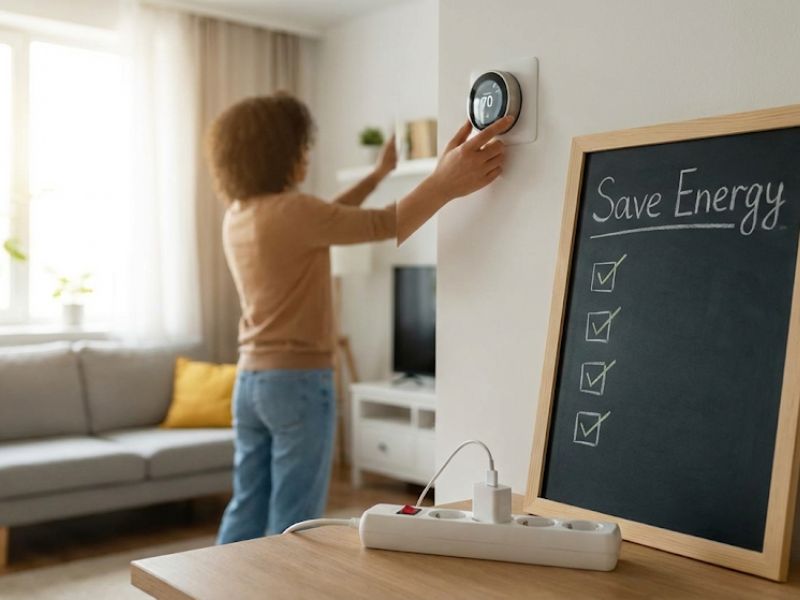
Eliminate phantom loads by switching off devices at power points when not in use, using power boards with switches controlling multiple devices, installing timers switching entertainment systems off overnight, unplugging chargers when not charging, and considering smart power points with scheduling and remote switching. Complete phantom load elimination can reduce electricity consumption 100-200kWh annually saving $50-100 on power bills.
Smart Power Management
Smart power strips automatically cut power to peripheral devices when main devices turn off. For example, turning off televisions automatically powers down connected gaming consoles and sound systems eliminating their phantom loads. Smart switches and power monitoring systems identify high-consumption devices enabling targeted efficiency improvements.
Smart Home Energy Management
Smart Thermostat Benefits
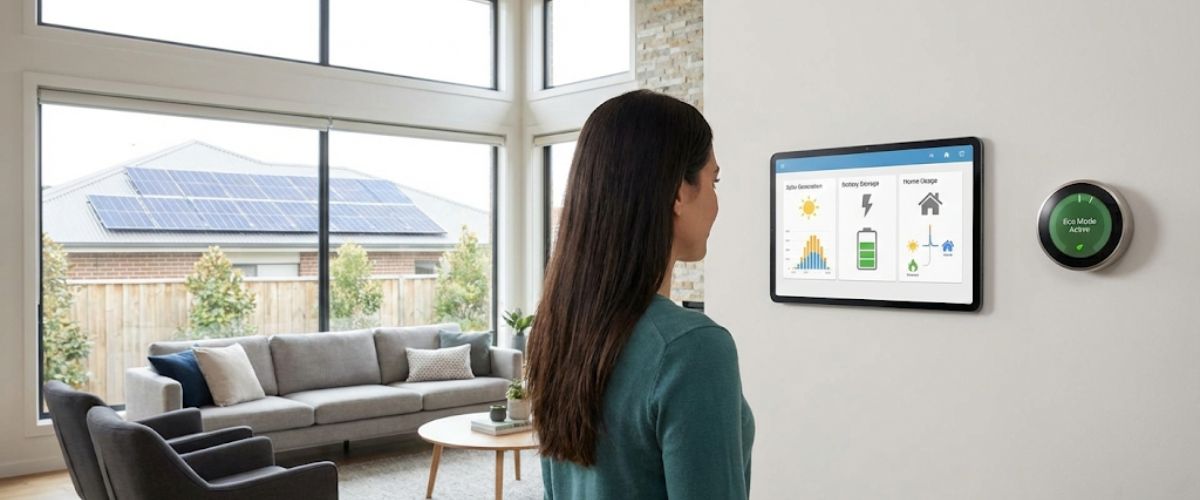
Smart thermostats optimize heating and cooling reducing energy consumption 10-23% through intelligent temperature management. Features include automated scheduling matching occupancy patterns, remote control enabling pre-arrival conditioning, learning algorithms adapting to preferences, and energy reporting tracking consumption. Smart thermostats pay for themselves quickly through reduced heating and cooling costs while improving comfort through better temperature control.
Smart Lighting Systems
Smart lighting enables advanced energy management through app control, automated scheduling, occupancy sensing, and integration with home automation. Create lighting scenes optimizing illumination for activities, automate lights off when leaving, schedule outdoor lighting around sunset/sunrise, and monitor lighting consumption identifying wasteful usage patterns. Smart lighting combined with LED conversion provides maximum lighting energy efficiency.
Energy Monitoring Systems
Whole-home energy monitors track real-time electricity consumption identifying wasteful usage patterns. Energy monitors show total household consumption, identify high-consuming appliances, track usage over time revealing trends, and calculate electricity costs. Visibility into energy consumption motivates conservation behaviours while identifying specific opportunities for efficiency improvements. Many users reduce consumption 10-15% simply through awareness enabled by monitoring.
Electrical System Upgrades for Efficiency
Switchboard Modernization
Modern switchboards enable better energy management through improved circuit organization, capacity for energy-efficient upgrades, integration with smart systems, and accurate circuit labeling enabling targeted load management. While switchboard upgrades don't directly save energy, they facilitate efficiency improvements and future electrical upgrades supporting energy management.
Three-Phase Power for Efficiency
Three-phase power provides more efficient operation for large motors and air conditioning systems. Three-phase motors run more efficiently than single-phase equivalents, large air conditioning operates more economically, and balanced loads reduce distribution losses. Properties with substantial motor loads or large air conditioning benefit from three-phase power upgrades improving overall electrical efficiency.
Power Factor Correction
Poor power factor increases electricity consumption without providing useful work. Commercial properties particularly benefit from power factor correction reducing electricity demand charges and improving electrical efficiency. Commercial electricians assess power factor recommending correction systems when beneficial for larger electrical installations.
Solar Power and Renewable Energy
Solar Power Benefits
Solar power systems dramatically reduce grid electricity consumption and costs. Solar panels generate clean renewable electricity reducing reliance on grid power, excess generation feeds back to grid earning feed-in credits, and systems typically pay for themselves within 4-7 years through electricity savings. Solar power provides the most substantial long-term energy cost reduction available for Australian homes. Professional solar installation ensures optimal system performance and maximum generation.
Solar Battery Storage
Battery storage maximizes solar self-consumption storing excess daytime generation for evening use. Batteries enable greater grid independence, provide backup power during outages, maximize solar value by avoiding low feed-in tariffs, and enable advanced energy management strategies. While adding cost to solar installations, batteries increase solar benefits substantially particularly for homes with high evening electricity consumption.
Solar Hot Water
Solar hot water systems use solar thermal energy reducing electricity or gas consumption for water heating. Solar hot water suits Australian conditions well providing 50-80% of household hot water needs through solar energy. Systems pay for themselves through energy savings within 5-10 years while reducing carbon emissions substantially. Solar hot water represents excellent value for properties with suitable roof orientation and space.
Behavioral Energy Savings
Daily Energy-Saving Habits
Simple behavioral changes reduce energy consumption significantly. Turn off lights when leaving rooms, switch off appliances at power points when not in use, use natural light when possible avoiding daytime lighting, close doors when heating or cooling rooms, run dishwashers and washing machines with full loads, avoid opening refrigerator doors unnecessarily, and use outdoor areas during moderate weather reducing conditioning needs. Small daily habits compound into substantial annual savings.
Off-Peak Energy Usage
Time-of-use electricity tariffs charge different rates throughout the day with cheapest rates during off-peak periods. Shift discretionary loads to off-peak times by running dishwashers and washing machines overnight, charging electric vehicles during off-peak periods, using timers for pool pumps running during cheapest hours, and avoiding peak period (typically 4-9pm) consumption where possible. Off-peak usage strategies can reduce electricity costs 20-30% without reducing consumption.
Seasonal Energy Strategies
Adjust energy usage patterns seasonally optimizing for conditions. In summer, use early morning and evening natural cooling, close curtains during day preventing heat gain, and maximize ceiling fan use reducing air conditioning. In winter, maximize passive solar heat gain, use thermal curtains retaining warmth, and heat occupied spaces only. Seasonal awareness enables efficiency without sacrificing comfort.
Professional Energy Audits
Comprehensive Energy Assessment
Professional energy audits identify specific efficiency improvement opportunities. Energy assessments include comprehensive consumption analysis, appliance efficiency evaluation, identification of phantom loads, assessment of heating and cooling efficiency, lighting efficiency review, and tailored recommendations for improvements. Professional audits provide data-driven roadmaps for efficiency upgrades prioritizing investments by return.
Thermal Imaging Inspections
Thermal imaging identifies air leaks and insulation deficiencies causing heating and cooling losses. Thermal cameras reveal heat loss through walls and ceilings, identify draughts around doors and windows, locate missing or inadequate insulation, and visualize thermal bridges. Addressing thermal imaging findings substantially improves heating and cooling efficiency reducing conditioning electricity consumption.
Return on Investment Calculations
Energy efficiency investments require cost-benefit analysis. Calculate payback periods considering upgrade costs, annual savings achieved, and lifespan of improvements. LED lighting typically pays back within 2-3 years, efficient appliances over 5-10 years, and solar systems within 4-7 years. Prioritize efficiency investments with shortest payback periods delivering quickest returns while planning longer-term improvements.
Summary: Achieving Energy Efficiency
Reducing household energy consumption requires combination of behavioral changes, appliance efficiency, and strategic electrical upgrades. LED lighting conversion delivers immediate substantial savings with short payback periods. Heating and cooling optimization reduces the largest single electricity consumption category. Phantom load elimination, smart home automation, and efficient appliance usage compound savings.
Professional electrical services facilitate efficiency improvements through LED installations, smart system integration, and electrical upgrades enabling better energy management. Solar power provides long-term energy independence and cost reduction. Implementation of multiple energy-saving strategies typically reduces household electricity consumption 25-45% delivering ongoing substantial savings while reducing environmental impact.
Want to Reduce Your Energy Bills?
Professional electricians providing energy-efficient electrical upgrades throughout Central Coast. LED conversions, smart systems, and efficiency improvements. Start saving today.
Licensed & Insured • Energy Efficiency Specialists • Proven Savings